Quality by Design Principles in Controlled Environment Cannabis Cultivation
Applying Quality by Design (QbD) principles allows Hybrida Farms to transform cannabis cultivation into a predictable pharmaceutical manufacturing process, ensuring consistency and regulatory compliance for global supply chains.
In pharmaceutical manufacturing, Quality by Design (QbD) represents a systematic approach to development that begins with predefined objectives and emphasizes product and process understanding based on sound science and quality risk management. For Hybrida Farms, applying these principles to cannabis cultivation signifies a shift from reactive testing to proactive process control. Instead of merely inspecting the final flower for compliance, we design the entire cultivation cycle to ensure that every gram meets the rigorous standards required by global distributors and pharmaceutical laboratories.
Defining the Quality Target Product Profile
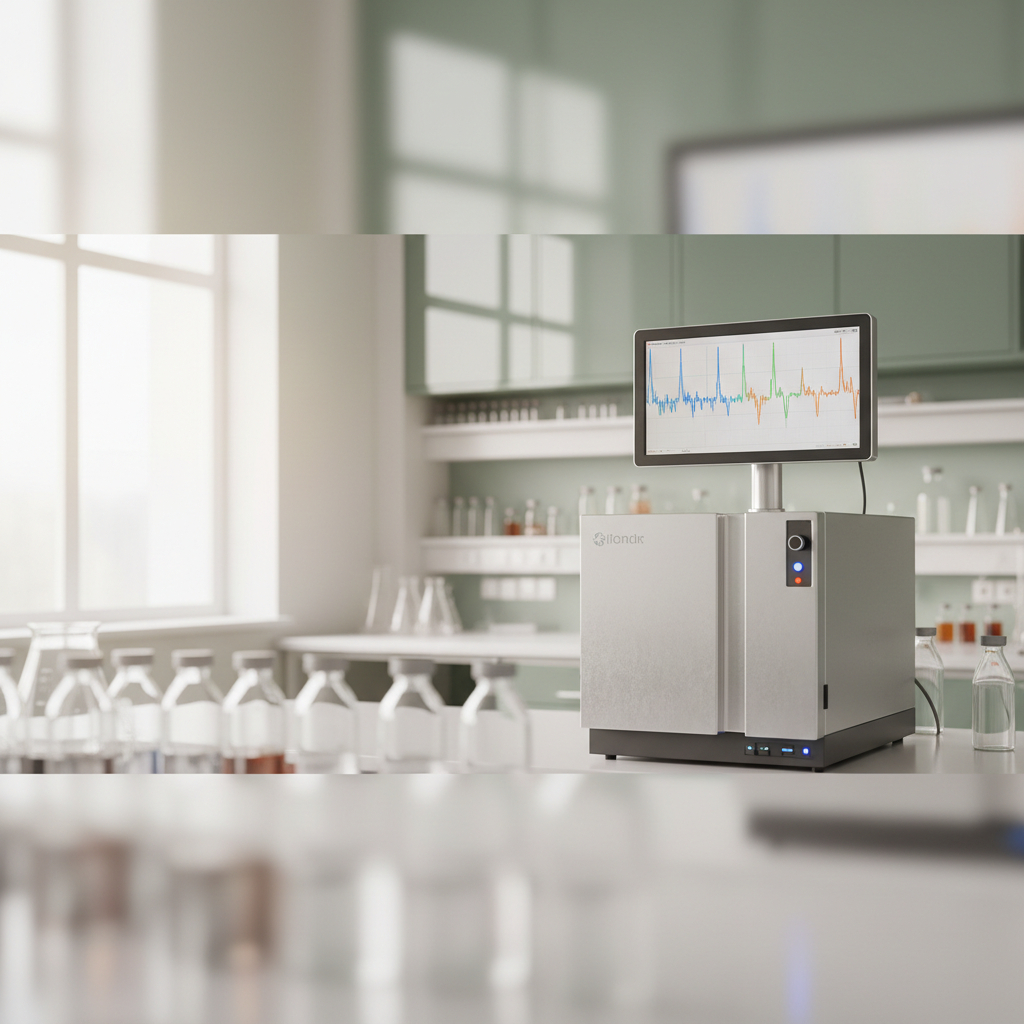
The implementation of QbD begins with the Quality Target Product Profile (QTPP). In the context of medical cannabis, this involves identifying the critical quality attributes (CQAs) that are essential for the therapeutic efficacy and safety of the final medicine. These include specific cannabinoid ratios, terpene profiles, and the absence of contaminants such as heavy metals or mycotoxins.
By establishing these parameters at the onset, we can work backward to identify the critical process parameters (CPPs) within the greenhouse environment. This involves a granular analysis of how light intensity, humidity levels, and nutrient delivery impact the chemical expression of the plant. For pharmaceutical procurement leads, this methodology offers a level of predictability that is often missing from conventional agricultural practices, ensuring a reliable supply of raw material that fits precise formulation requirements.
Scientific Rigor in GACP and EU-GMP Alignment
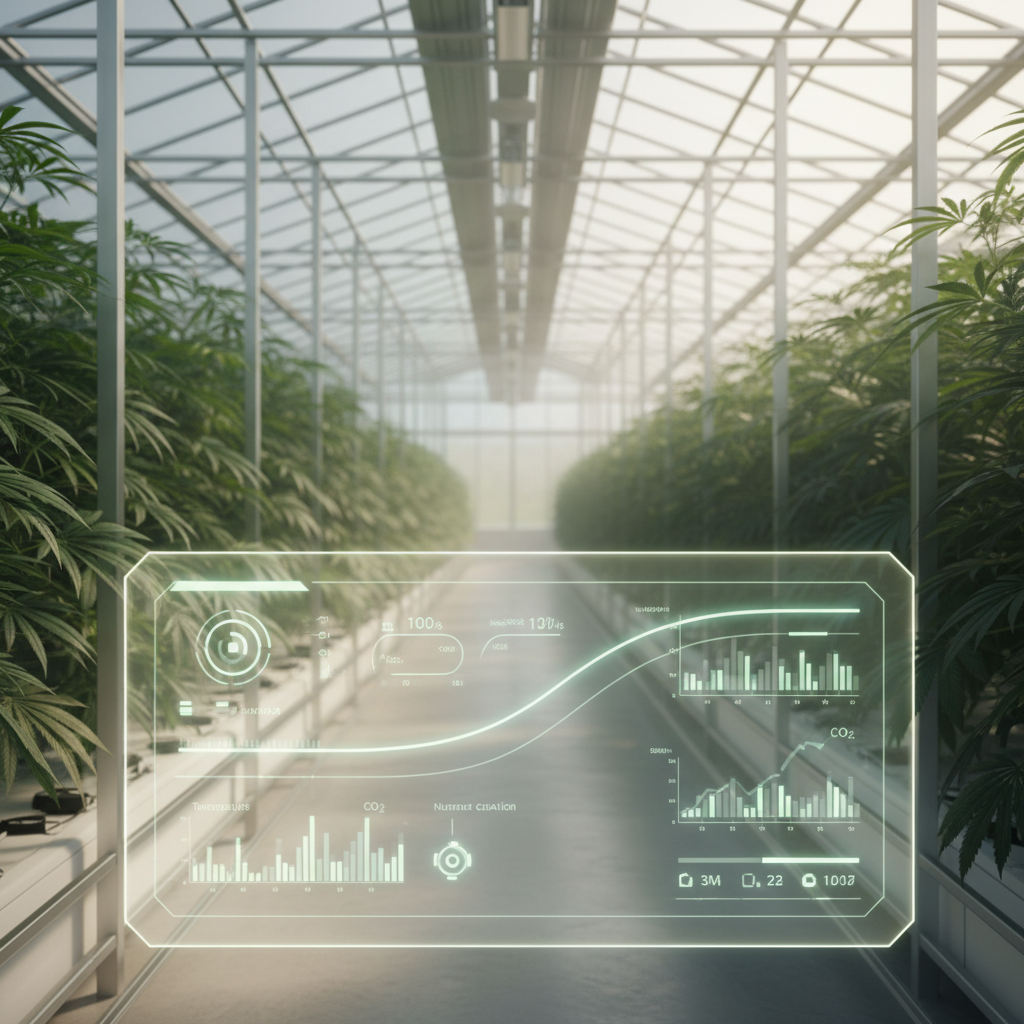
Operating at the intersection of agricultural and pharmaceutical standards requires a seamless integration of Good Agricultural and Collection Practices (GACP) and late-stage Good Manufacturing Practices (EU-GMP). At Hybrida Farms, our facility design is a physical manifestation of this integration. We utilize automated climate control systems and precision irrigation to minimize variability, effectively transforming the greenhouse into a controlled manufacturing site.
The QbD framework allows us to define a "Design Space"—a multidimensional combination of input variables and process parameters that have been demonstrated to provide assurance of quality. When cultivation stays within this space, the risk of batch failure is significantly mitigated. This operational specificity is what allows us to act as a stable node in the global pharmaceutical supply chain, providing our partners with the transparency and documentation necessary for international regulatory submissions.
Risk Management and Continuous Improvement
A core pillar of QbD is the continuous monitoring and adjustment of processes. Rather than relying solely on end-product testing, we employ real-time data collection to monitor the health and development of each cohort. This proactive risk management identifies potential deviations before they affect the final output. If a sensor detects a slight fluctuation in vapor pressure deficit, our systems adjust instantly to maintain the integrity of the Design Space.
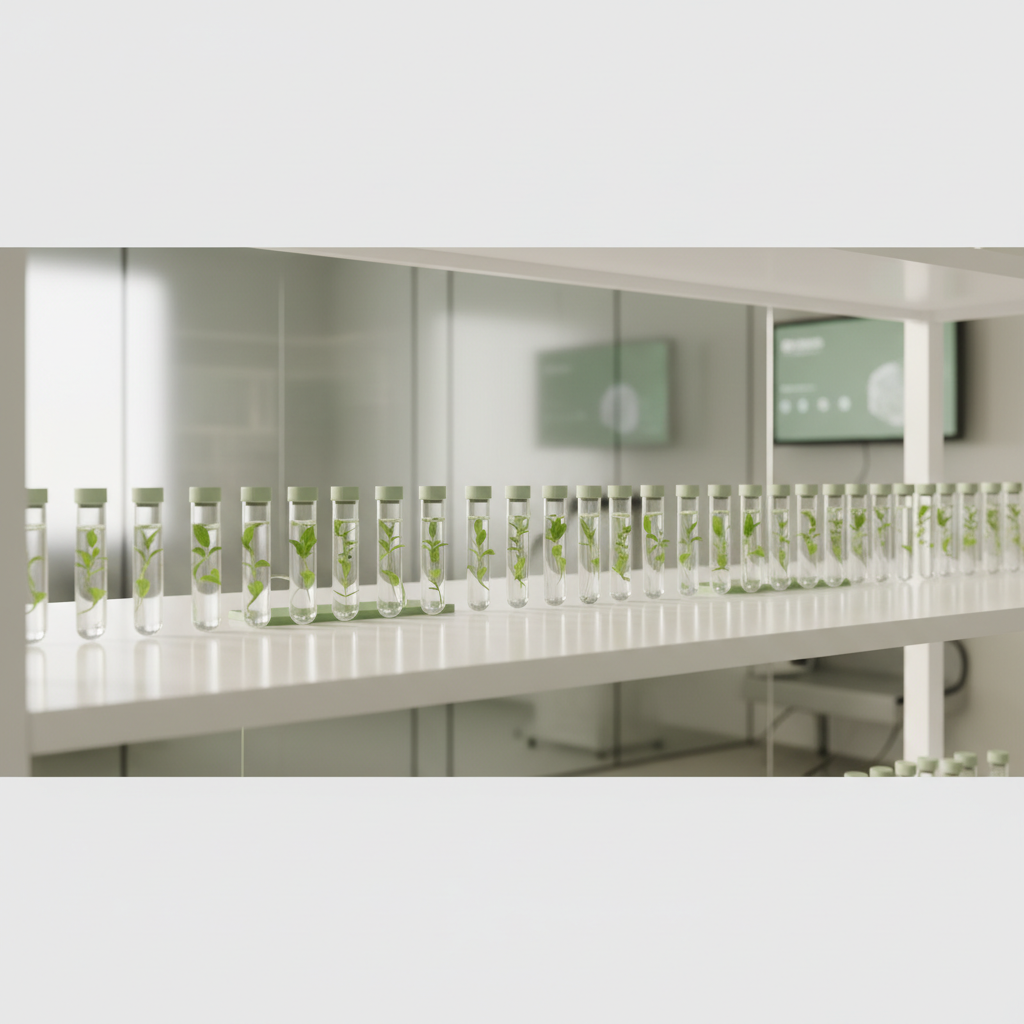
This commitment to continuous improvement extends to our genetic selection. We don't just choose cultivars for their yield; we select and stabilize genetics based on their ability to consistently express the desired QTPP under our specific environmental conditions. For distributors and contract manufacturers, this means partnering with a cultivator that speaks the language of pharmaceutical science. By embedding quality into the design of the process, Hybrida Farms ensures that the final product is not a result of chance, but the inevitable outcome of a controlled, scientific system.
Tags