Sustainable Packaging Strategies for Medical Cannabis Export Integrity
Explore how pharmaceutical-grade sustainable packaging ensures chemical stability and EU-GMP compliance for medical cannabis exports, balancing rigorous technical requirements with global environmental standards in the supply chain.
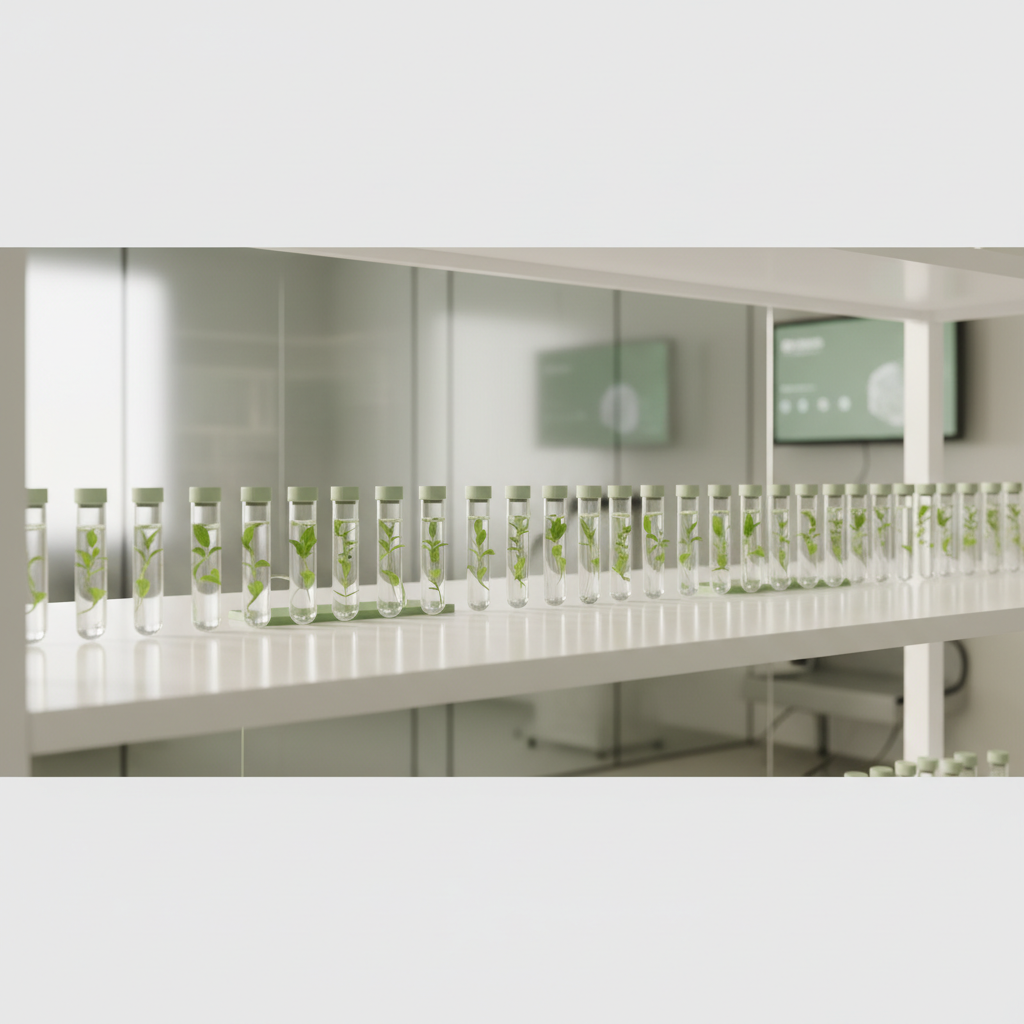
In the pharmaceutical industry, the integrity of a product is defined by the stability of its chemical profile from the moment of harvest to the point of dispensing. For medical cannabis flower and derivatives, this stability depends heavily on the primary packaging used during international transit. Achieving compliance with Good Agricultural and Collection Practices (GACP) and EU Good Manufacturing Practices (EU-GMP) requires more than just high-quality cultivation; it demands a packaging strategy that mitigates oxidation and terpene loss while minimizing the environmental footprint of the global supply chain.
Technical Barriers to Stability in Export
The primary challenge in medical cannabis logistics is the degradation of cannabinoids and volatile terpenes due to exposure to light, oxygen, and temperature fluctuations. When flower is exported from Costa Rica to European or North American hubs, it undergoes significant atmospheric pressure changes and handling. Traditional high-density polyethylene containers, while effective for moisture barriers, often rely on virgin plastics that conflict with modern corporate sustainability mandates.
A sophisticated procurement strategy now prioritizes materials that offer pharmaceutical-grade occlusion without the ecological cost. This involves the use of specialized laminates and modified atmosphere packaging (MAP). By replacing oxygen with inert gases like nitrogen within the primary container, we can halt the oxidative processes that convert THC into CBN or degrade delicate monoterpenes. For procurement leads, this ensures that the certificate of analysis issued at the cultivation site remains accurate upon arrival at the destination pharmacy or laboratory.
Sustainable Materials in the Pharmaceutical Value Chain
Sustainability in the medical sector cannot come at the expense of patient safety or product efficacy. We are seeing a transition toward bio-based polymers and recyclable multi-layer structures that meet the strict extractable and leachable (E&L) testing requirements of the European Pharmacopoeia. These materials are designed to be chemically inert, ensuring that no monomers or plasticizers migrate into the organic plant material.
Beyond the material itself, the "sustainability" of packaging is also measured by volumetric efficiency. Optimizing the dimensions of primary and secondary packaging reduces the carbon footprint associated with air freight. In a GACP-compliant operation, integrating these considerations into the standard operating procedures ensures that environmental responsibility is baked into the quality management system, rather than being an afterthought. This holistic approach reduces waste at the source and simplifies the recycling process for the end-distributor.
Regulatory Alignment and Supply Chain Transparency
For contract manufacturers and international distributors, documentation is as critical as the physical product. Sustainable packaging solutions must be accompanied by full traceability and compliance certifications. This includes technical data sheets that confirm the absence of heavy metals and Bisphenol A, which are essential for passing incoming goods inspections in highly regulated markets.
The shift toward sustainable packaging also reflects a broader movement within the pharmaceutical supply chain toward ESG (Environmental, Social, and Governance) transparency. When a facility in Costa Rica aligns its export protocols with these values, it creates a seamless integration with the procurement requirements of global partners. It is no longer sufficient to provide a high-potency product; the product must arrive in a format that honors the ecological standards of the modern healthcare landscape. By focusing on light-blocking, oxygen-barrier, and recyclable technologies, we protect the plant's therapeutic potential and the planet's future simultaneously.
Tags