Contaminant Control: Ensuring Pharmaceutical Purity in Tropical Climates
An analytical perspective on mitigating contaminant risks in tropical cannabis cultivation, focusing on environmental controls, substrate purity, and rigorous EU-GMP compliance for global pharmaceutical supply chains.
Maintaining pharmaceutical grade in tropical environments presents a unique set of challenges and opportunities. While the Costa Rican climate provides ideal light cycles and thermal stability for cannabis cultivation, it also demands rigorous oversight regarding chemical purity. For pharmaceutical procurement leads and distributors, the priority is not merely the potency of the flower, but the absolute absence of contaminants. At Hybrida Farms, ensuring our biomass meets the strictest international thresholds for heavy metals and pesticides is an operational cornerstone built into the earliest stages of our facility design.
Mitigation Through Environmental Control
The tropical humidity and high biodiversity of Latin America can lead many cultivators to rely on intensive pest management. However, for a product intended for medical use and subject to EU-GMP standards, the traditional approach to pesticides is unacceptable. Our strategy relies on advanced 'Integrated Pest Management' (IPM) protocols and the total exclusion of synthetic chemicals. This is not a choice driven by marketing, but by the regulatory requirements of the global market.
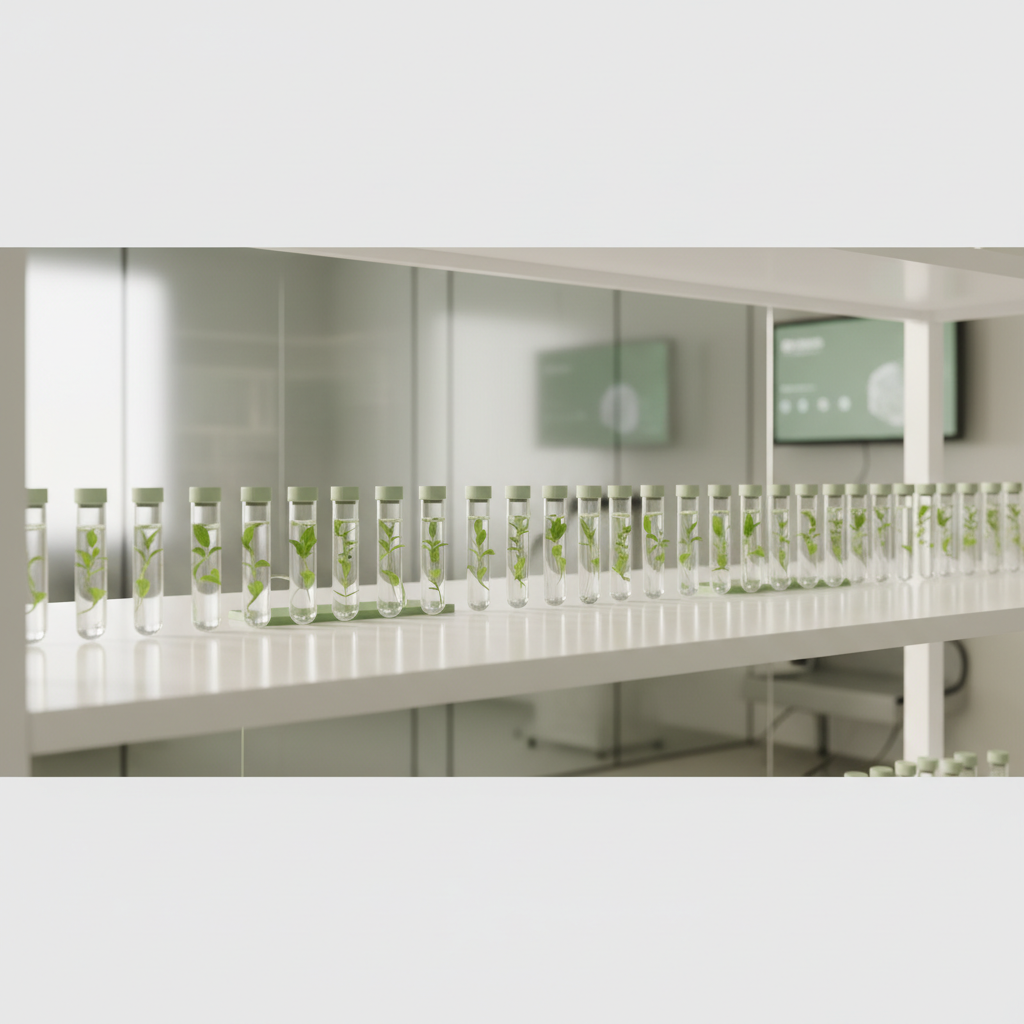
By utilizing high-tech greenhouse structures with sophisticated HEPA filtration and positive pressure systems, we create a barrier that minimizes the entry of foreign pests. This reduces the need for interventions, ensuring that the final material remains clean. For a distribution partner, this transparency in the cultivation cycle translates to fewer batches failing at the final analysis stage and a more predictable supply chain.
Managing the Substrate and Heavy Metal Risks
Heavy metals—specifically lead, cadmium, mercury, and arsenic—are naturally occurring elements that cannabis plants hyperaccumulate from their environment. In volcanic soils common to various parts of Central America, metal concentrations can fluctuate. To mitigate this, our operation moves away from direct soil planting, utilizing inert, standardized substrates that are tested prior to use.
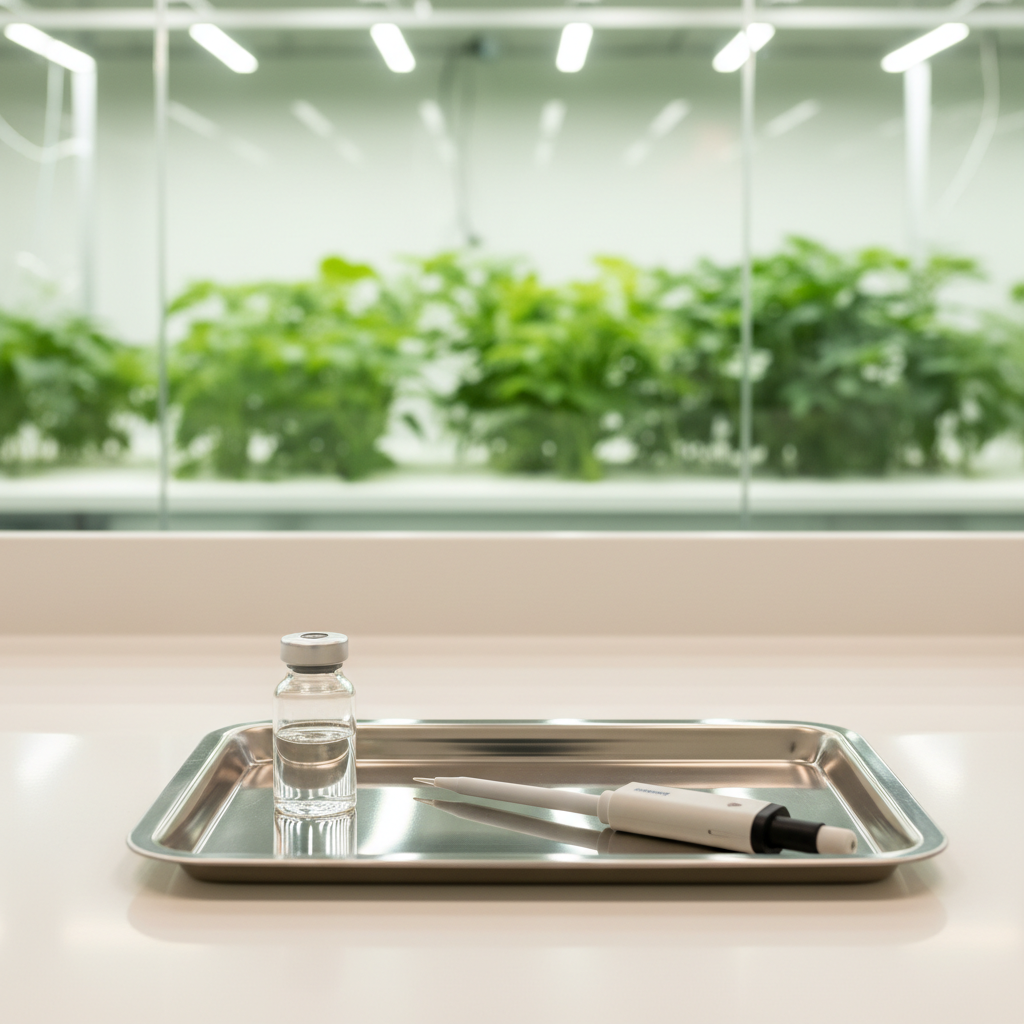
The water source is another critical vector. In a pharmaceutical setting, 'clean water' is not a relative term. We employ multi-stage filtration and reverse osmosis to ensure that no trace elements from the local water table reach the root systems. This level of control at the source is what differentiates a standard agricultural operation from a pharmaceutical-grade facility. We treat the nutrient solution as a drug ingredient, subject to the same traceability and quality assurance as any other input.
Validation and International Compliance
Under GACP (Good Agricultural and Collection Practices), documentation is as vital as the crop itself. Every input into the cultivation system is logged, tracked, and verified. For a pharmaceutical buyer, the value of the partnership lies in this 'Chain of Custody'. When our biomass enters the laboratory for final testing, the results are a confirmation of a managed process rather than a discovery.
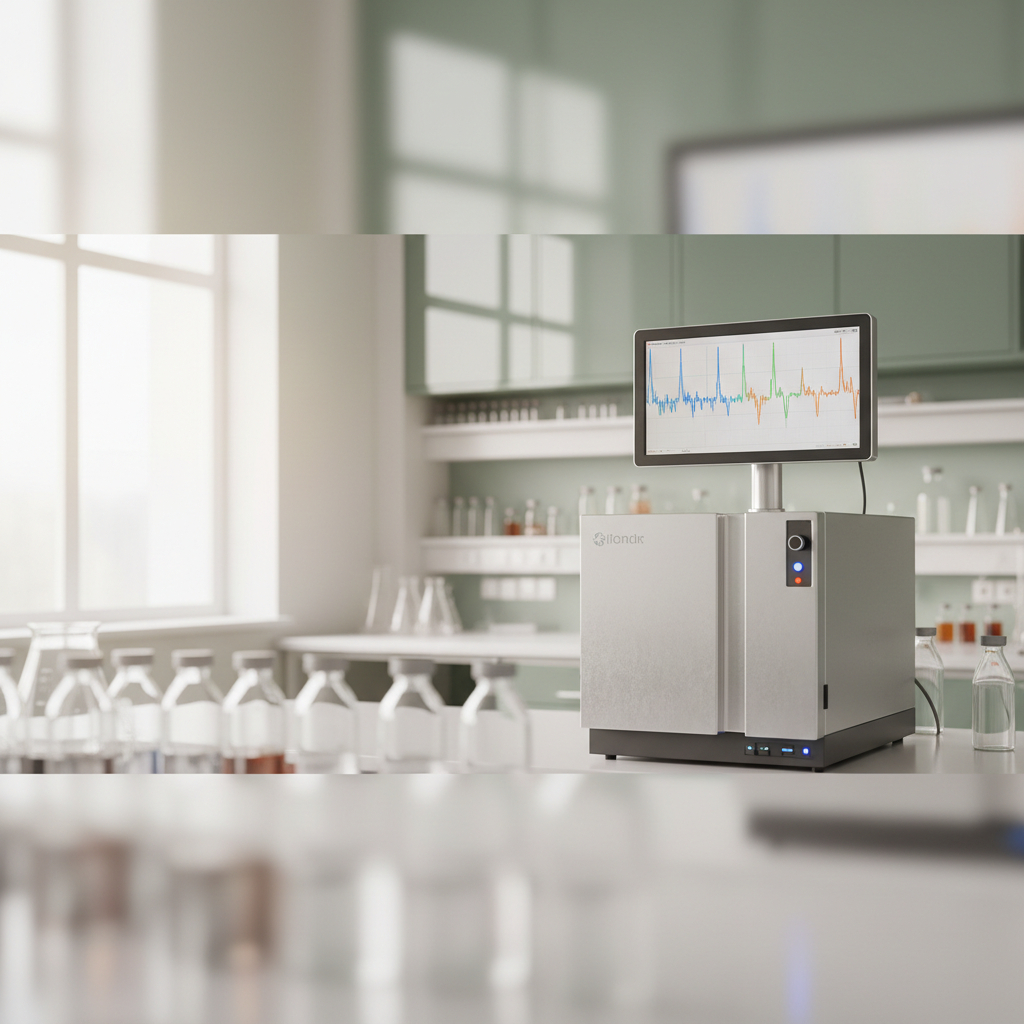
Consistency in low-level detection across multiple harvests is the hallmark of a mature supply chain. Our internal QA teams work in tandem with third-party laboratories to validate that our pesticide-free status is absolute, adhering to the European Pharmacopoeia or similar international standards. By proactively addressing the risks inherent in a tropical geography through engineering and strict SOPs, we offer our partners a stable, high-purity product that stands ready for global distribution. This rigorous approach ensures that the transition from a tropical greenhouse to a European pharmacy shelf is seamless and scientifically sound.
Tags