Optimizing Cultivar Selection for Terpene-Driven Pharmaceutical Lines
A technical guide for procurement leads on selecting cannabis cultivars based on genetic stability, terpene expression, and operational compatibility within EU-GMP supply chains.
Selecting a cultivar for an international pharmaceutical portfolio requires a strategy that transcends simple potency. While THC and CBD concentrations remain the primary metrics for regulatory categorization, the focus of global procurement is shifting toward the secondary metabolites that define therapeutic efficacy: terpenes. For pharmaceutical manufacturers and distributors, integrating terpene-driven genetics into a standardized supply chain is an exercise in clinical precision and chemical consistency.
Genetic Stability and Secondary Metabolite Expression
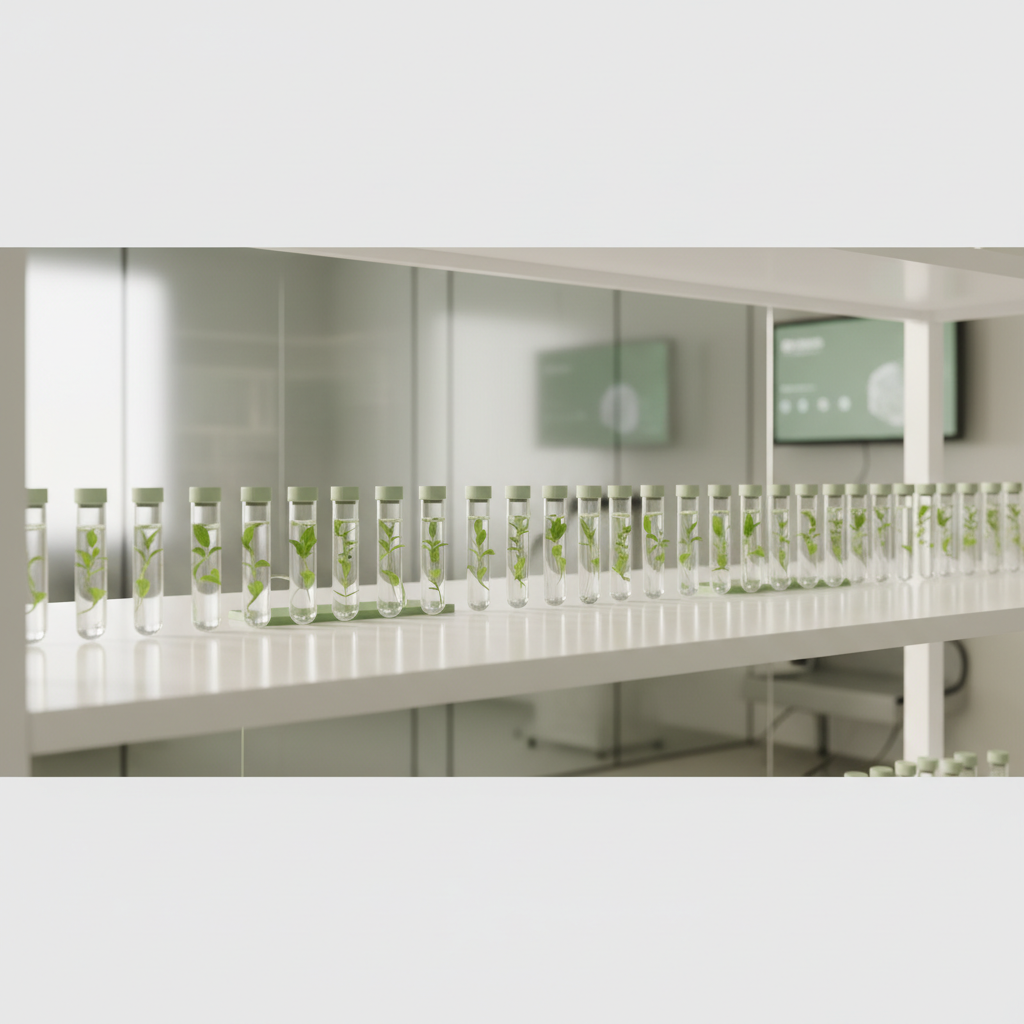
The primary challenge in pharmaceutical-grade cannabis production is the reduction of phenotype variability. When a procurement lead selects a cultivar for a specific product line, the requirement is a chemical fingerprint that remains identical across multiple harvest cycles. At Hybrida Farms, this process begins with rigorous genetic screening. We prioritize cultivars that demonstrate high genetic stability, ensuring that the ratio of myrcene, limonene, or beta-caryophyllene does not fluctuate significantly under environmental stress. Selecting a lineage requires evaluating its predisposition for terpene expression under controlled conditions. This ensures that the final product, whether in flower form or as an extract, meets the narrow tolerance windows mandated by EU-GMP standards.
Operational Synchronization with Terpene Profiles
Beyond the botanical profile, procurement leads must consider the logistical and processing implications of specific terpene profiles. High-terpene cultivars often possess more delicate glandular trichomes, which require nuanced handling during the drying and curing phases to prevent volatile loss. From an operational perspective, the selection of a cultivar must be synchronized with the post-harvest infrastructure. A supply chain optimized for heat-sensitive terpenes requires low-temperature drying protocols and vacuum-sealed, temperature-controlled transit. Our approach involves assessing how a cultivar’s specific oil profile interacts with extraction solvents or how it maintains its integrity during long-range international logistics. If the volatile compounds degrade before reaching the patient, the therapeutic value of the product is compromised.
Compliance and Evidence-Based Selection
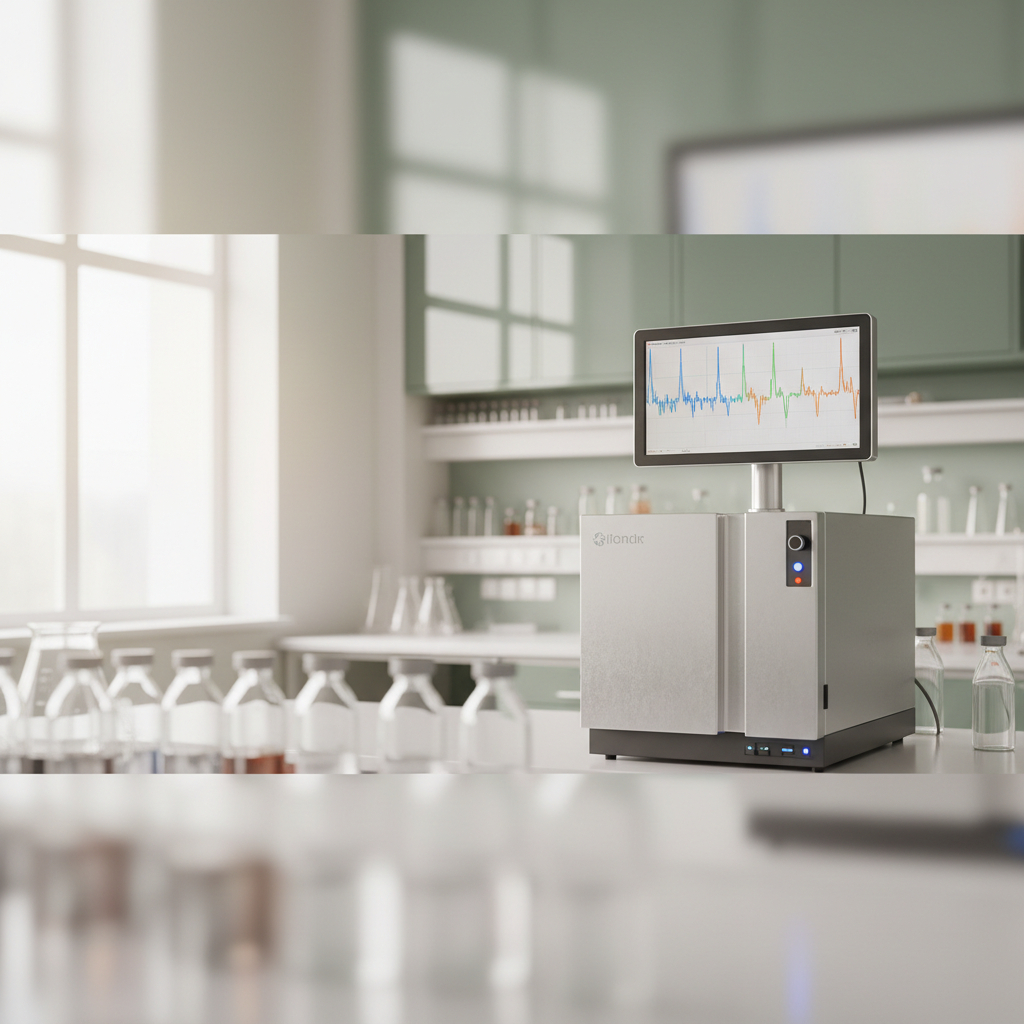
Choosing a cultivar is also a regulatory decision. Pharmaceutical distributors are increasingly looking for genetics that align with emerging clinical interest. For example, cultivars rich in linalool or pinene are often sought for product lines targeting specific neurological or inflammatory pathways. However, this selection must be backed by data. At Hybrida Farms, we provide our partners with comprehensive chemical mapping that goes beyond the standard cannabinoid certificate of analysis. By documenting the terpene evolution throughout the plant's life cycle, we allow procurement teams to forecast the efficacy and shelf-life of their finished pharmaceutical products. This data-driven approach minimizes the risks associated with batch rejections and ensures that the final medication delivers the expected relief.
Integrating Cultivars into Vertical Supply Chains
Finally, the transition from a pilot batch to a full-scale pharmaceutical line requires a partner who understands the nuances of GACP and EU-GMP frameworks. Selecting a cultivar is only the first step; maintaining that cultivar's chemical identity at scale is the true objective. For procurement leads, the value lies in a partner who can provide not just the raw material, but the technical documentation and quality assurance protocols that support a terpene-driven strategy. By focusing on the synergy between genetics and standardized cultivation, we ensure that every gram of flower produced in Costa Rica meets the rigorous demands of the global medical market, providing a stable foundation for the next generation of cannabis-based therapies.
Tags