Validating Extraction Partners for API Grade Cannabis Material
Selecting an extraction partner for API-grade cannabis requires moving beyond yield metrics to focus on EU-GMP compliance, terpene preservation, and rigorous technical documentation for global pharmaceutical distribution.
The evolution of the medicinal cannabis market from raw flower exports to specialized Active Pharmaceutical Ingredients (APIs) has fundamentally altered the criteria for selecting extraction partners. For a pharmaceutical-grade cultivator, the transition of biomass into a resin, isolate, or distillate is not merely a service contract; it is a critical extension of the GACP (Good Agricultural and Collection Practices) framework into the EU-GMP (Good Manufacturing Practice) domain. When validating a partner for API-grade material, the focus must shift from yield efficiency to the absolute integrity of the molecular profile.
The Continuity of Standardized Quality
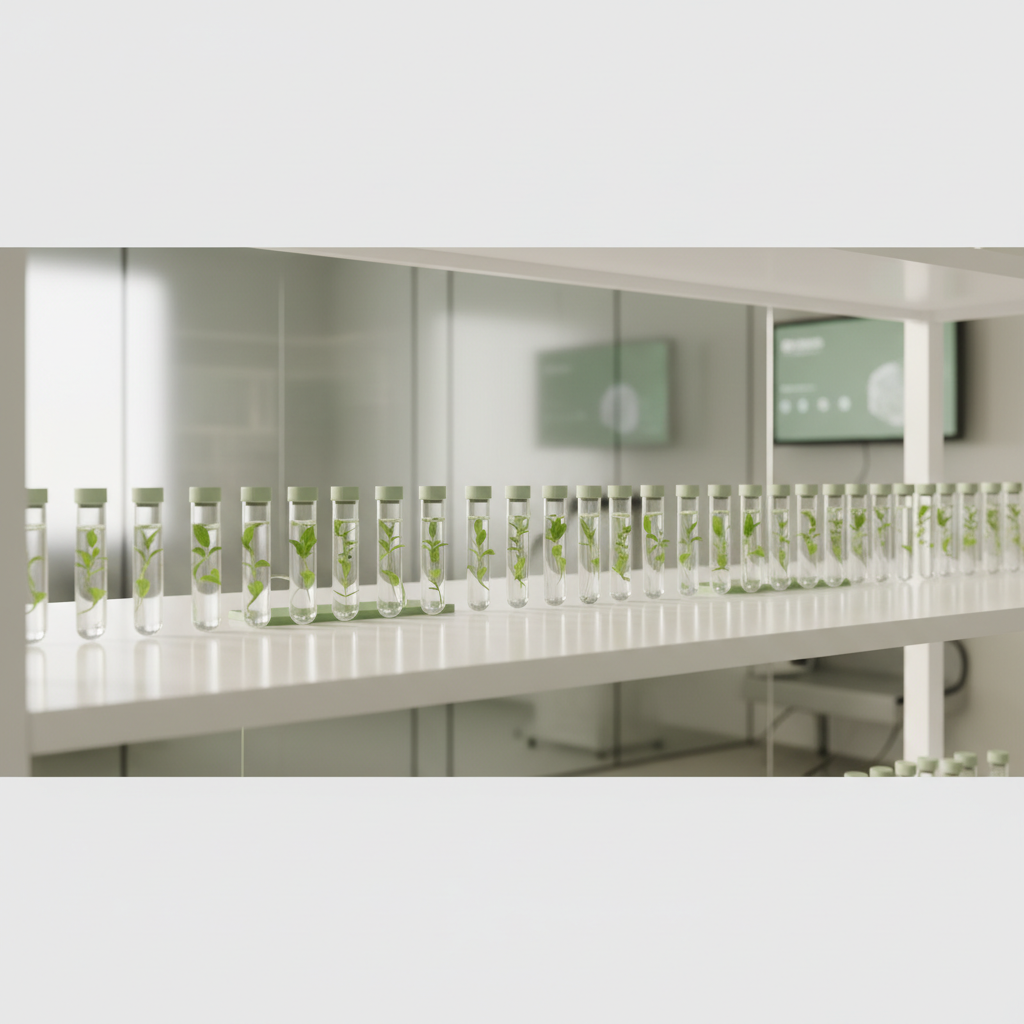
The primary challenge in pharmaceutical cannabis is the maintenance of a consistent chemical fingerprint. For procurement leads, the validation process begins by examining how a processor handles incoming biomass. A partner must demonstrate a deep understanding of the botanical variance inherent in the plant. At Hybrida Farms, we recognize that even the most controlled indoor environment produces material that requires delicate handling post-harvest.
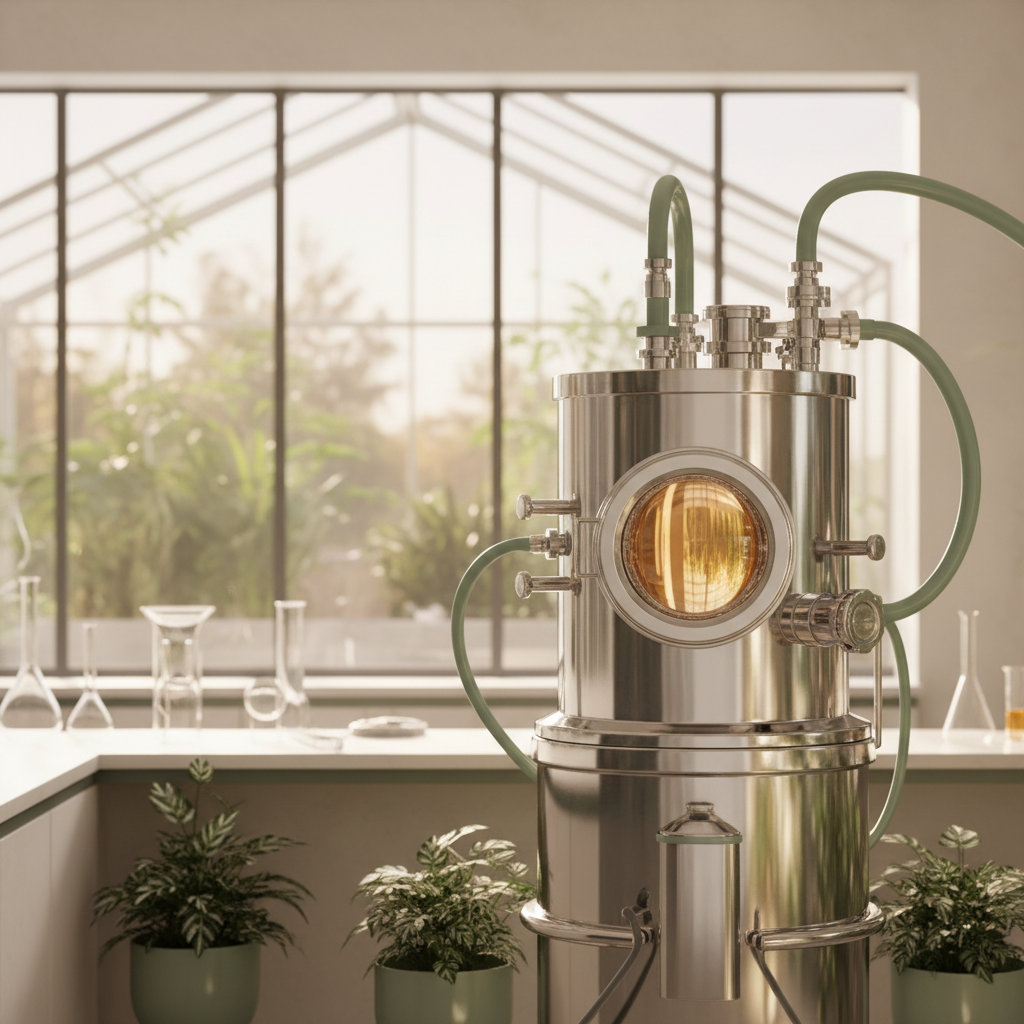
A robust extraction partner does not simply "process" material; they validate that the decarboxylation and extraction parameters—whether using supercritical CO2, ethanol, or hydrocarbons—do not introduce thermal degradation or solvent residues that compromise the final API. The integration between the cultivation site and the extraction facility must be seamless, ensuring that the terpene preservation achieved in the greenhouse is not lost during the technical transition to oil.
Rigorous Auditing of Technical Dossiers
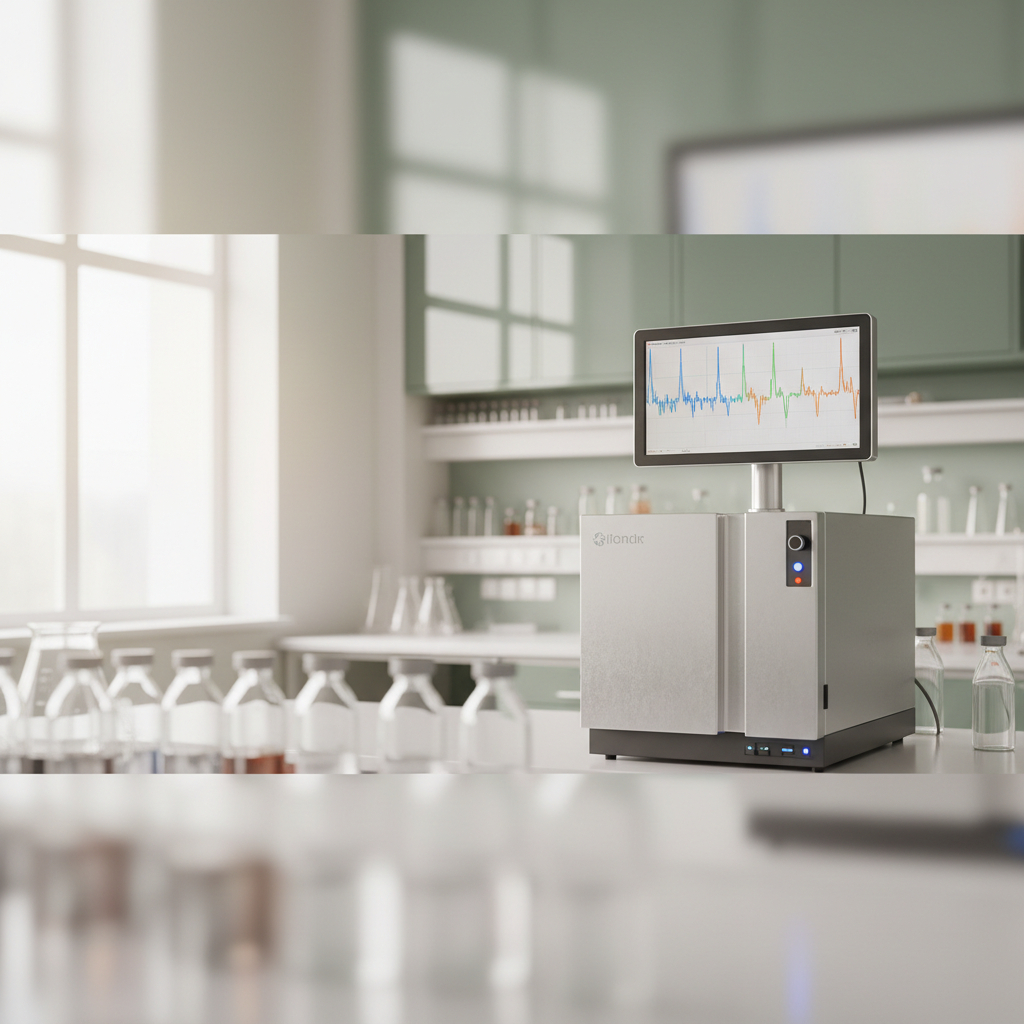
Beyond the physical facility, the strength of an extraction partner lies in their documentation. In the B2B pharmaceutical space, transparency is the baseline. When vetting a partner, we prioritize their ability to provide comprehensive Batch Manufacturing Records (BMR). These documents should reflect a granular level of control, including pressurized vessel logs, solvent purity certifications, and precise temperature monitoring.
The ability to produce a Drug Master File (DMF) or equivalent technical documentation is what separates a specialized laboratory from a general processor. This documentation is vital for distributors and manufacturers who must register finished medicinal products in highly regulated jurisdictions. Validating these partners requires a technical audit of their Quality Management System (QMS), ensuring that their deviations and CAPA (Corrective and Preventive Actions) protocols are as rigorous as those required in traditional pharmaceutical manufacturing.
Scalability and Chain of Custody
Functional scalability is the final pillar of a successful partnership. It is relatively simple to produce a high-quality extract at a laboratory scale; it is an entirely different feat to maintain that purity across multi-hundred-kilogram batches. Procurement leads must evaluate the throughput capacity of the facility without sacrificing the batch-to-batch consistency that clinical applications demand.
Supply chain security and the chain of custody are equally paramount. At Hybrida Farms, we emphasize that the value of our specialized genetics is only as secure as the last link in the chain. A partner must guarantee that there is no risk of cross-contamination and that traceability is maintained from the individual lot of flower to the final vial of API. This logistical precision ensures that the medicine reaching the patient is an exact pharmaceutical representation of the plant we cultivated in Costa Rica.
Tags