Preserving Efficacy: Storing Your Medication Safely at Home
Learn how to preserve the potency and safety of your medical cannabis by managing light, temperature, and humidity, while ensuring secure storage within your home environment.
The transition to medical cannabis as a formal treatment involves more than just a change in your health routine; it requires a new approach to how you handle your medication at home. Unlike traditional pharmaceutical tablets, cannabis flower and oil-based extracts are organic, complex products that are highly sensitive to their environment. Ensuring your medication remains effective until the final dose is a matter of understanding how three primary factors—light, temperature, and air—interact with your treatment.
Proper storage is not just about keeping the product organized. It is about protecting the stability of cannabinoids and terpenes, the aromatic compounds responsible for the therapeutic effects. When these compounds degrade, the medication may not only lose its potency but also change its chemical profile, potentially leading to different effects than those intended by your healthcare provider.
Protecting the Integrity of the Product
The most significant enemies of medical cannabis are ultraviolet (UV) light and heat. When exposed to direct sunlight or high temperatures, the chemical structure of cannabinoids begins to break down. For instance, the therapeutic compounds can oxidize, transforming into different variants that may cause increased drowsiness or reduced efficacy.
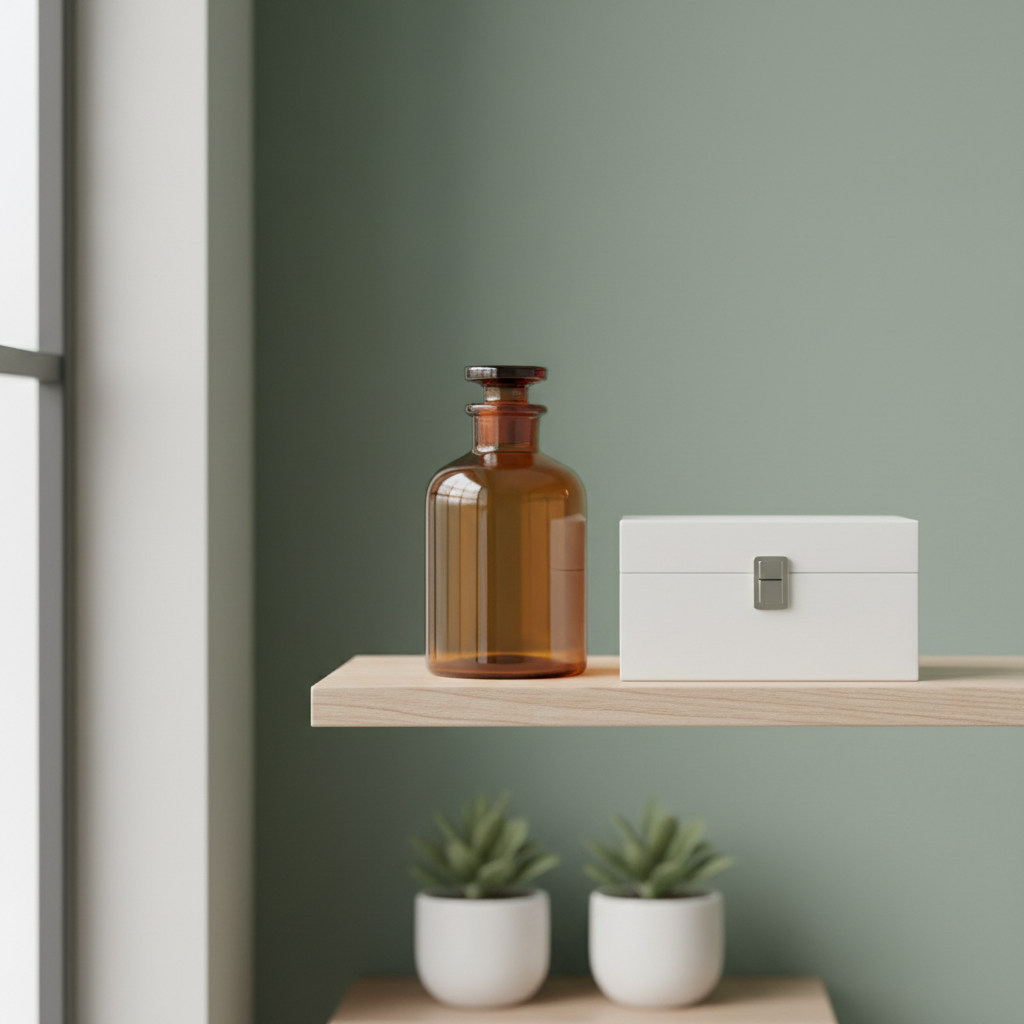
To prevent this, you should store your medication in a cool, dark place. A kitchen cabinet near an oven or a bathroom shelf where humidity and temperature fluctuate are not suitable locations. Instead, look for a dedicated space in a room with a stable temperature, such as a drawer or a closet in a climate-controlled area of your home. If your medication was dispensed in amber or opaque glass jars, keep it in those containers, as they are specifically designed to filter out harmful light rays.
Managing Humidity and Air Exposure
Airflow is another critical variable. Constant exposure to fresh oxygen can lead to the oxidation of the plant material or the carrier oils in extracts. For dried flower, oxygen can dry out the tricombs, making them brittle and less effective. For oils, it can lead to rancidity over time. Keeping your containers tightly sealed when not in use is the simplest yet most effective way to prolong the life of your prescription.
Moisture control is equally vital. In tropical climates, high humidity can encourage the growth of mold or mildew on organic material, rendering the medication unsafe for consumption. Conversely, a very dry environment can cause the medicine to become harsh. This is why original pharmaceutical-grade packaging is often the best choice; it is designed to maintain a consistent internal microclimate. If you use a storage box, ensure it is airtight and kept away from windows or damp areas.
Safety and Responsibility in the Household
Beyond maintaining the biological quality of the medication, safety is a logistical priority. If you share your home with children, teenagers, or pets, your storage solution must be secure. Medical cannabis should never be stored in plain sight or in places easily accessible to others.
Consider using a dedicated lockbox or a high shelf that can be secured. It is essential to keep the medication in its original packaging, not only for the environmental protection mentioned earlier but also because that packaging contains your prescription labels and critical information for emergency services should an accidental ingestion occur. Education is also a form of storage safety: if there are other adults in the home, ensure they understand that this is a controlled medication and not a recreational product. By treating your cannabis treatment with the same rigor as any other specialized pharmaceutical, you ensure both your safety and the success of your therapeutic journey.
Tags