Genetic Stability Frameworks for Global Pharmaceutical Supply Chains
Explore how Hybrida Farms utilizes microscopic tissue culture and environmental mapping to ensure genetic drift is eliminated, providing pharmaceutical partners with standardized, EU-GMP-ready botanical inputs.
Reliability in pharmaceutical manufacturing begins long before the first flower is harvested. For procurement leads and contract manufacturers (CMOs) operating in high-barrier markets, the primary vulnerability in the supply chain is not volume, but biological variance. When a formulation requires a precise cannabinoid and terpene profile, any genetic drift or phenotypic instability translates directly into failed batches and regulatory friction. At Hybrida Farms, we address this through a rigorous Genetic Stability Program designed to treat the plant not as an agricultural product, but as a standardized pharmaceutical input.
Standardizing the Biological Blueprint
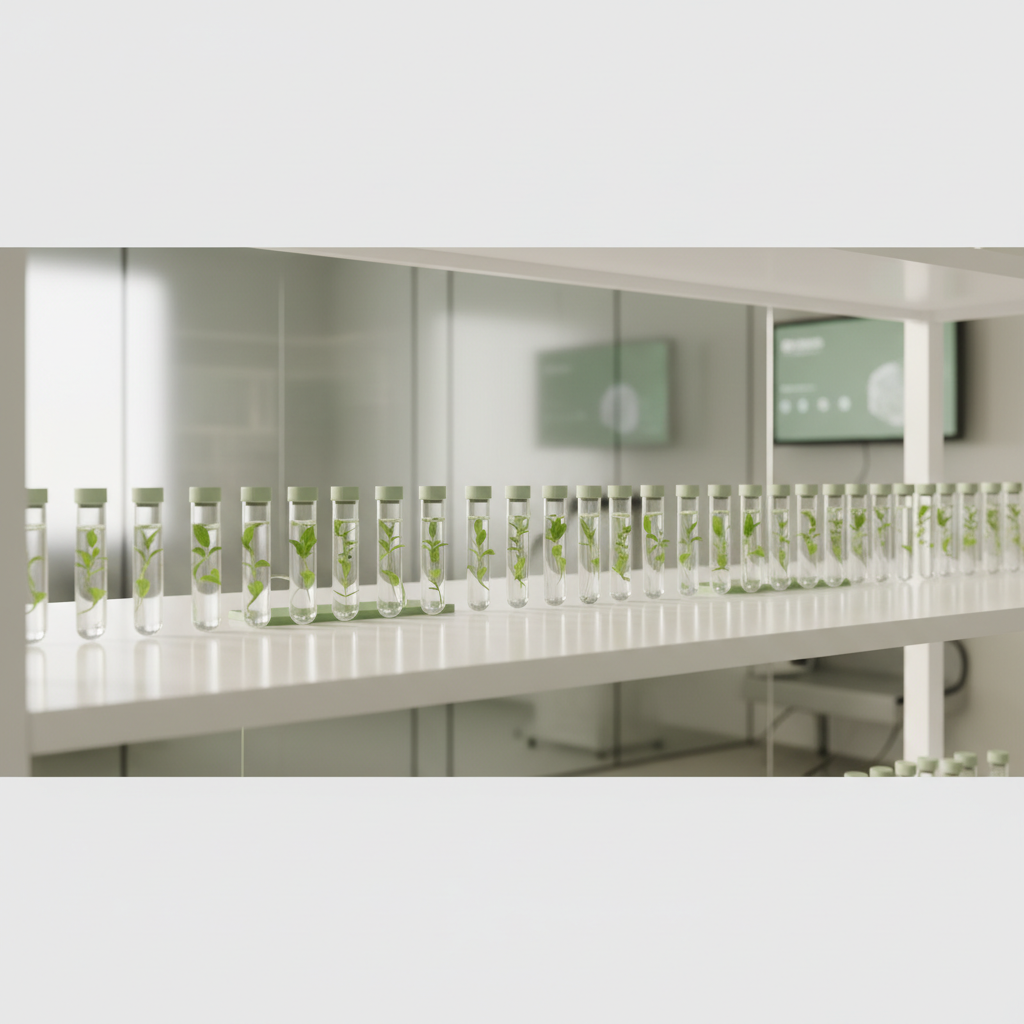
The transition from GACP to EU-GMP requires more than just clean facilities; it demands a predictable raw material. Our stability program is centered on the elimination of somatic mutations and the preservation of specific chemotypes over multiple production cycles. Unlike traditional cultivation, where mother plants may be kept for extended periods leading to age-related decline, we utilize a rolling rejuvenation protocol.
By integrating tissue culture micropropagation with traditional mother stock management, we ensure that the genetic 'blueprint' remains identical from month one to month forty-eight. This allows our clinical and manufacturing partners to build long-term drug master files (DMFs) with the confidence that the botanical source will not drift. For a procurement officer, this means fewer deviations during incoming quality control and a more stable cost-of-goods (COGS) over the product lifecycle.
Phenotypic Mapping and Environmental Control
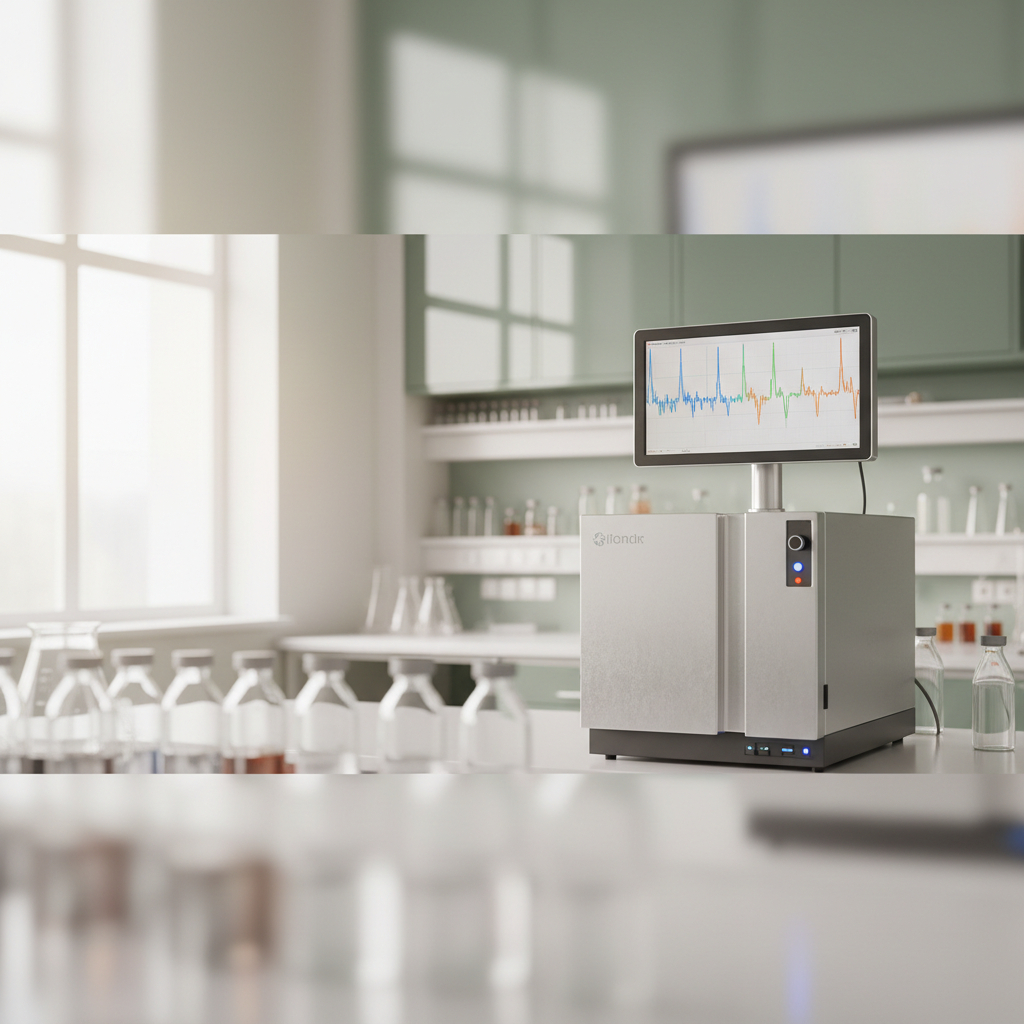
Genetic potential is only half of the equation; the expression of that potential depends entirely on the interaction between the cultivar and its environment. Our facility operates under a high-precision 'climate recipe' framework. For every contract-grown batch, we establish a baseline physiological profile that maps cannabinoid synthesis against specific environmental stressors.
This data-driven approach allows us to compensate for the slight seasonal variations inherent even in controlled-environment agriculture. By monitoring real-time transpiration rates and leaf temperature, we maintain the plant in a state of metabolic equilibrium. For our partners, this level of operational specificity ensures that the biomass delivered maintains the same ratio of minor cannabinoids and volatile terpenes, which are often critical for the therapeutic efficacy of full-spectrum extracts.
Quality Assurance as a Partnership
At Hybrida Farms, we believe that transparency is the cornerstone of pharmaceutical procurement. Our Genetic Stability Program includes an open-book policy regarding our internal testing and validation protocols. We provide our partners with comprehensive Certificates of Analysis (CoAs) that go beyond basic potency and heavy metal testing. We track the genetic 'fingerprint' of our primary cultivars to verify identity and purity at every stage of the vegetative and flowering phases.
Furthermore, we align our Quality Management System (QMS) with the specific requirements of our distributors. Whether a partner requires specific drying parameters to preserve heat-sensitive compounds or specialized curing protocols for export-grade flower, our team integrates these needs into our standard operating procedures. This collaborative model transforms the traditional vendor-client relationship into a technical partnership, reducing the burden of oversight on the procurement lead and ensuring a seamless transition from our greenhouse to their processing line. By prioritizing genetic integrity, we provide the foundational stability required for the next generation of cannabinoid-based therapies.
Tags