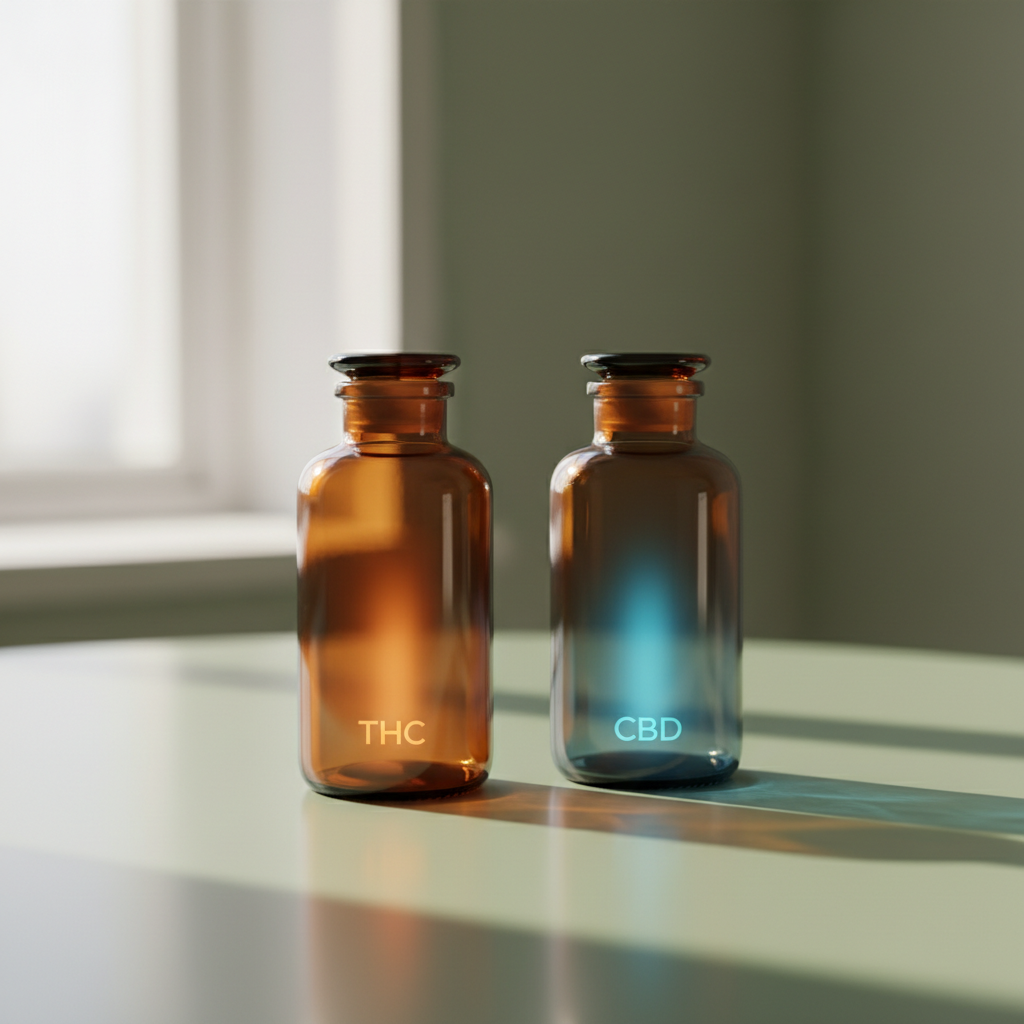
THC and CBD: A Clinical Guide for the Modern Patient
A foundational guide for patients to distinguish between THC and CBD, exploring their unique therapeutic roles, the importance of clinical ratios, and how they work together for better outcomes.
Navigating the world of medical cannabis can feel like learning a new language. For many patients in Costa Rica and beyond, the first point of confusion often lies in the distinction between two primary compounds: Tetrahydrocannabinol (THC) and Cannabidiol (CBD). While both are phytocannabinoids derived from the same plant, they interact with your body’s endocannabinoid system in fundamentally different ways. Whether you are managing chronic symptoms or supporting a loved one, understanding these differences is the first step toward a safe and informed therapeutic journey.
The Role of THC: Beyond Psychoactivity
THC is perhaps the most well-known component of the cannabis plant. Historically, it has been associated primarily with the "high" or euphoric effect. However, in a medical context, THC is valued for its significant therapeutic potential. It works by mimicking the action of anandamide, a neurotransmitter naturally produced by your body that regulates mood, sleep, and pain perception.
When you use a pharmaceutical-grade product containing THC, the goal is often to address complex symptoms. Clinical observations suggest that THC can be instrumental in managing severe pain, stimulating appetite, and reducing nausea, particularly in patients undergoing intensive treatments. It is important to note that the sensation of euphoria is a side effect that can be managed through precise dosing. In a controlled medical environment, the focus is on finding the "therapeutic window"—the dose where you receive the maximum benefit with the minimum amount of cognitive interference.
CBD: The Non-Intoxicating Foundation
Cannabidiol, or CBD, has gained immense popularity because it does not produce a "high." This makes it an attractive option for patients who need to remain alert and functional throughout their workday or for pediatric and elderly populations. Unlike THC, CBD does not bind directly to the CB1 receptors in the brain; instead, it acts as a modulator, influencing how other receptors respond to cannabinoids.
In the therapeutic landscape, CBD is frequently utilized for its purported anti-inflammatory and anxiolytic (anxiety-reducing) properties. Many patients report a sense of "grounding" or physical relaxation without the mental shifts associated with THC. It is often used as a baseline treatment for inflammatory conditions or as a way to mitigate some of the less desirable side effects of THC, such as increased heart rate or temporary anxiety. Because CBD is non-intoxicating, it is often the first point of entry for those new to cannabis medicine.
Synergy and the Concept of Ratios
One of the most important lessons in modern cannabinoid therapy is that THC and CBD often work better together than they do in isolation. This phenomenon is frequently referred to as the "entourage effect." When these compounds are present in a full-spectrum product, they can balance each other out. For instance, CBD can prolong the pain-relieving effects of THC while simultaneously softening its psychoactive impact.
In a clinical setting, your healthcare provider will likely discuss "ratios" with you. A 1:1 ratio contains equal amounts of THC and CBD, aiming for a balance of physical relief and mental calm. A 20:1 CBD-dominant ratio is designed for those seeking the benefits of CBD with only a trace amount of THC to "activate" the system. Conversely, THC-dominant products are reserved for specific conditions where deep sedation or intense pain management is required. Finding your ideal ratio is a collaborative process between you and your medical team.
Prioritizing Safety and Consistency
As a patient, the most critical factor in your treatment is the quality and consistency of the product you use. Because cannabis is a bioaccumulator—meaning it absorbs what is in the soil—pharmaceutical-grade cultivation is essential. At Hybrida Farms, we emphasize that medical cannabis should be treated like any other prescription: it must be free from heavy metals, pesticides, and mold, with a verified chemical profile.
Knowing the exact milligrams of THC and CBD in every dose allows you to track your progress accurately. We encourage you to keep a patient log, noting your dosage, the ratio used, and how you feel. This data is invaluable for your physician to adjust your treatment plan. Remember, the journey with medical cannabis is highly personal; what works for one individual may require adjustment for another. By understanding the building blocks of THC and CBD, you are empowered to take an active role in your health and well-being.
Tags